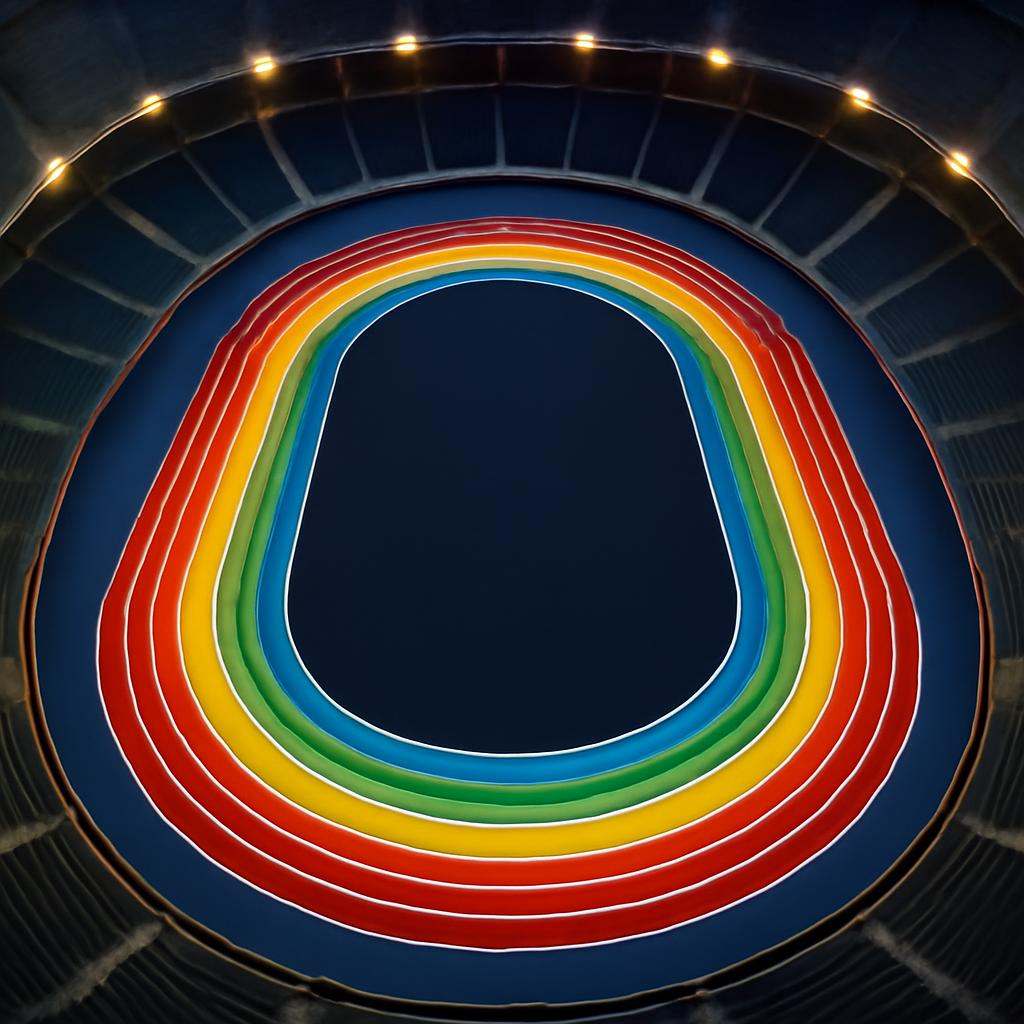
Map
The five night bowls
Harbor Rubber opens first. Night Circuit, Highveld Bowl, Rain Ribbon, and Altitude Crown unlock when the previous oval is finished, not when a target split is beaten.
Live split
Sprint Relay
Split
00.00
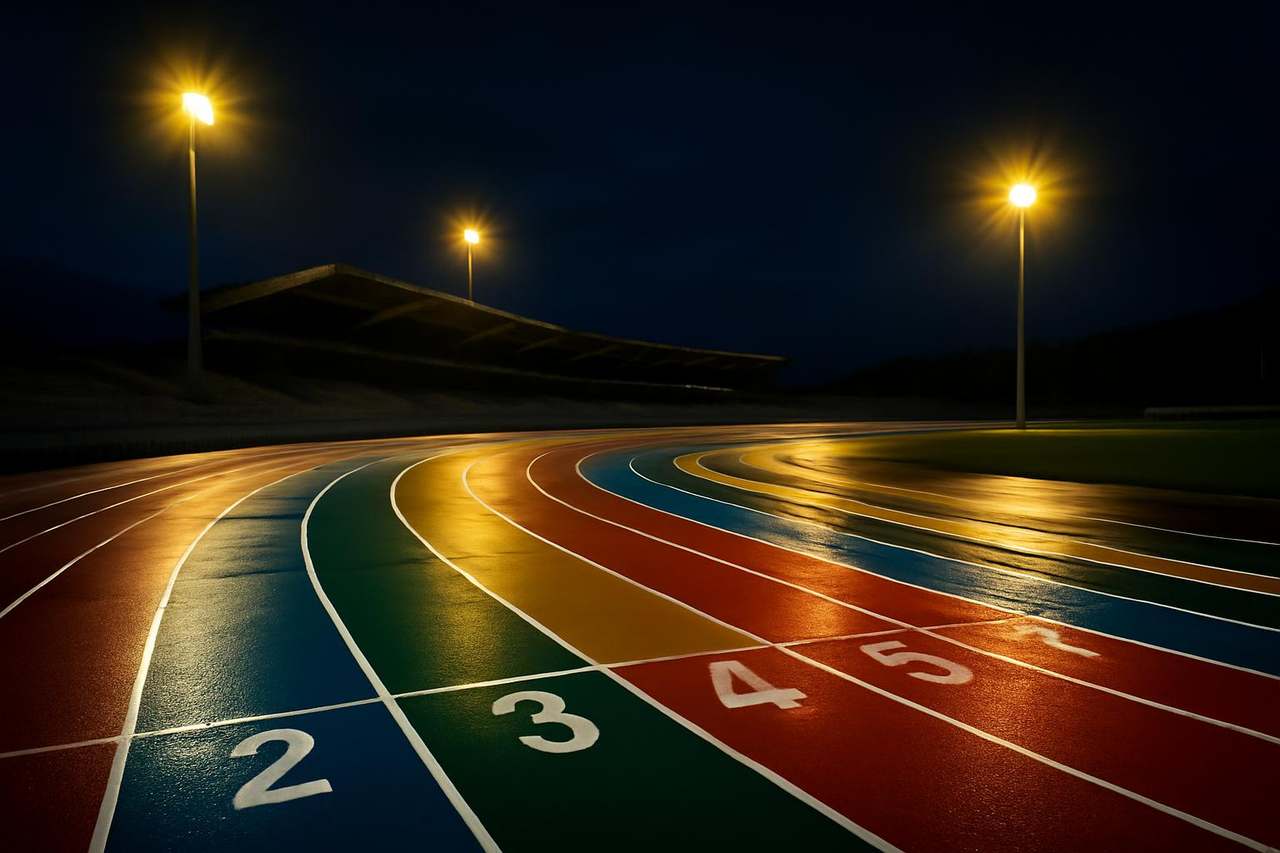
Cadence lock
Tap the canvas to leave the blocks. Strike when the ribbon crest meets the hurdle chevron.
Five bowls
Each stadium changes hurdle count, wind on the cadence wave, rubber grip, and how late a barrier appears in the lights.
Map
Harbor Rubber opens first. Night Circuit, Highveld Bowl, Rain Ribbon, and Altitude Crown unlock when the previous oval is finished, not when a target split is beaten.
How the lock works
Tikaro is not a tap-to-jump lane. The athlete already has a stride. You only choose the instant that stride becomes flight, then the instant the baton leaves the hand.

A glowing ribbon under the lane is the live stride. The peak of that wave is the plant foot. A hurdle chevron slides in before each barrier. Strike when the crest and the chevron overlap inside the takeoff gate.
A high crest with a close gate is a Strike: speed rises and the next wave stays readable. A mid crest is Clean. A low crest or a missed gate is a Clip. Missing the gate entirely is a Crash, a stumble that can break the rhythm if pace falls too far.
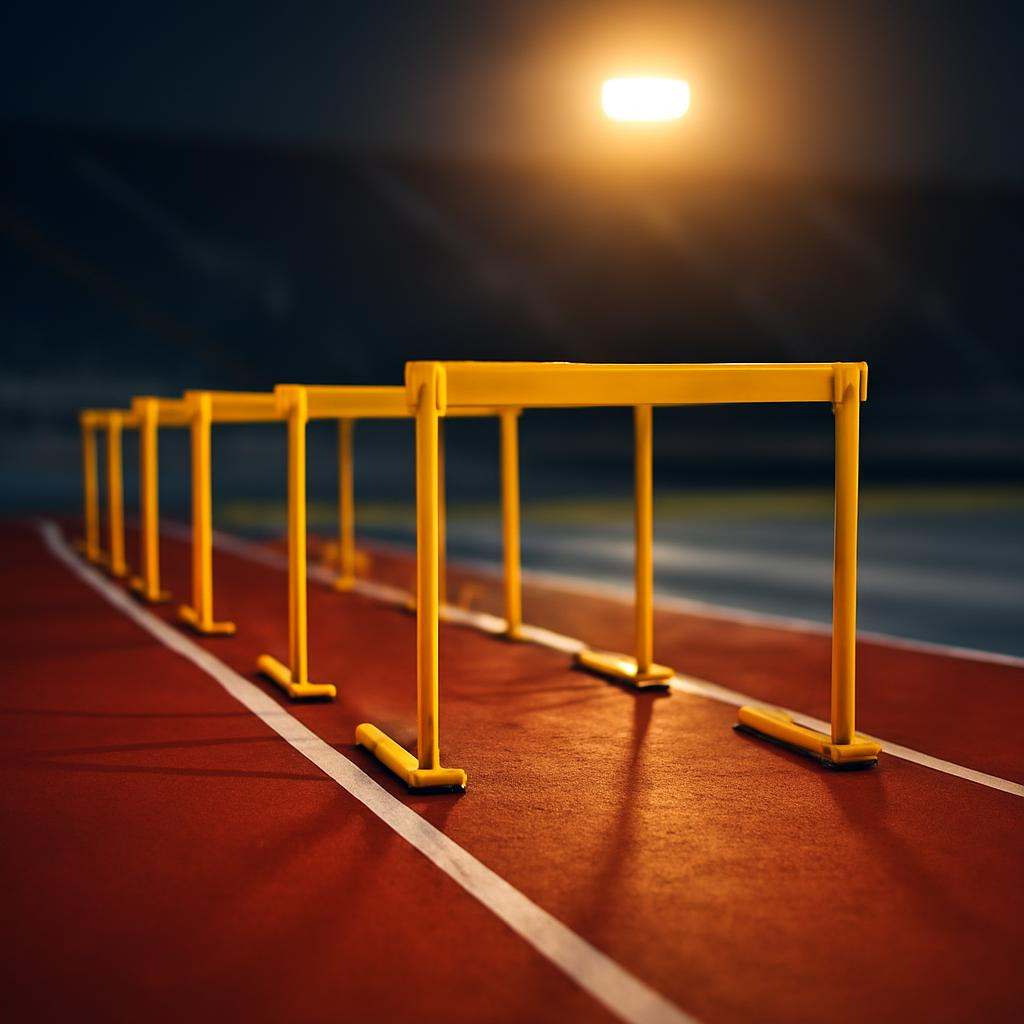
Harbor Rubber spaces four barriers with a wide gate. Night Circuit adds a fifth hurdle and a dim approach, so the chevron appears later. Highveld Bowl lifts cadence in thin air. Rain Ribbon punishes clips on wet rubber. Altitude Crown stacks seven hurdles and the narrowest handoff lock.
Wind on Night Circuit and Highveld Bowl wobbles the drawn ribbon away from the true crest. The plant still happens on the hidden beat. Listen with the thumb, not only with the eyes.
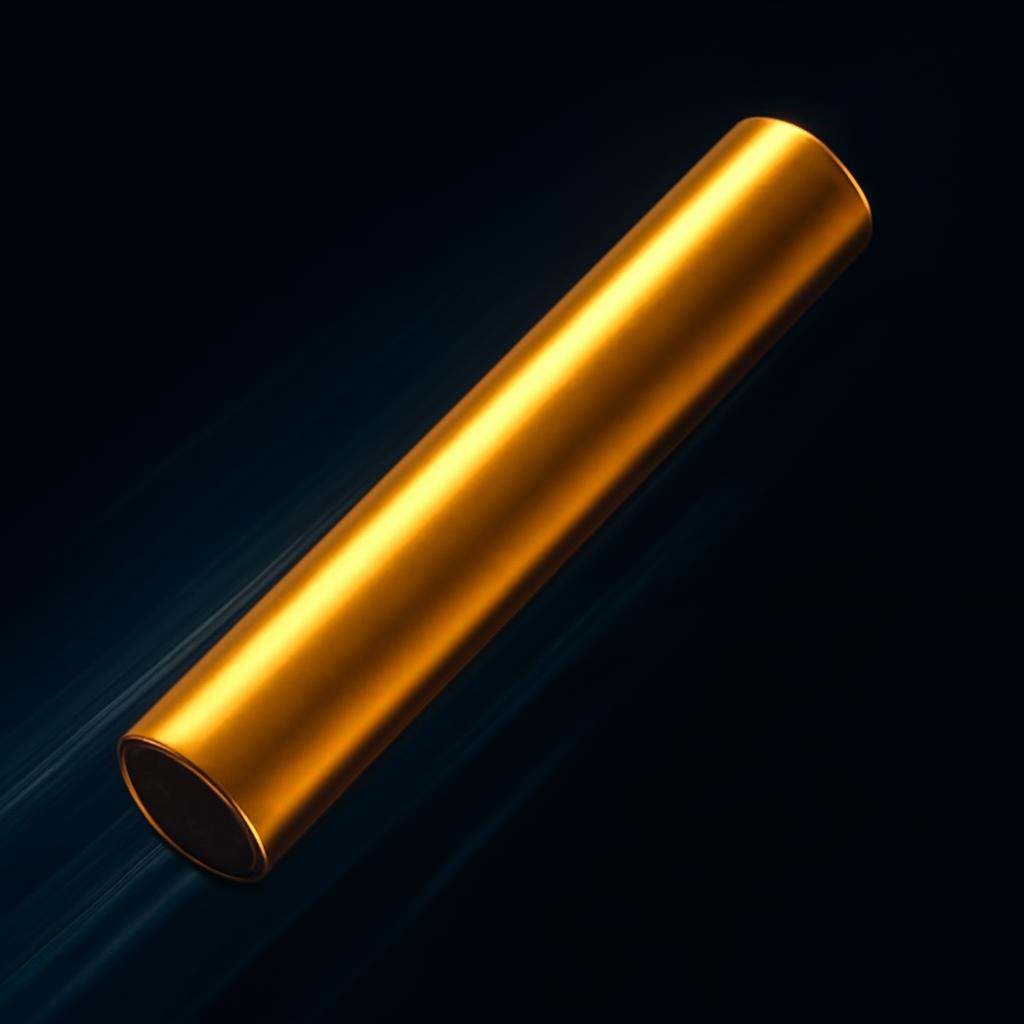
After the last hurdle of a leg the exchange box opens. An outer chevron spins around an inner pulse. Tap when they share an angle. A locked pass hands the next runner a calm ribbon. A late pass hands a noisy wave. A drop costs time and dumps the next athlete into a chaotic cadence.
Legs run Lead, Cut, Drive, then Anchor. Momentum carries. The Anchor inherits every clip and every lock from the three before.
Track dress
Each finished stadium opens a new navy-and-yellow cut. Kits change the athlete on the ribbon. They do not change physics.
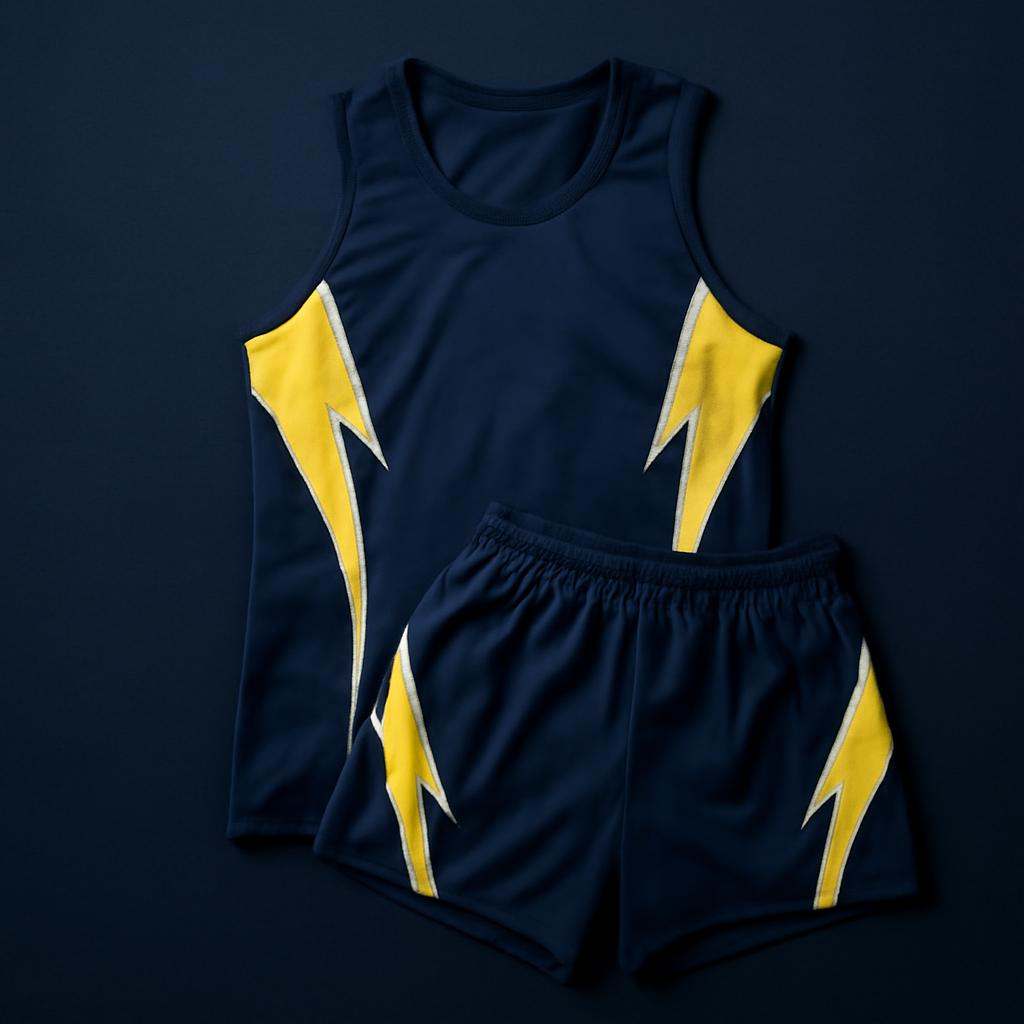
Tide Navy is on from the first gun. Solar Slash, Flood Gold, Volt Split, and Crown Stripe follow Harbor, Night, Highveld, and Rain. Pick a kit from the Pulse lane before you leave the blocks.
Personal board
Best times, strike totals, and the last eight finished runs are stored locally. Nothing leaves the phone.
Starting box

Tikaro: Sprint Relay is a night-oval arcade about takeoff timing and baton lock. You do not steer left or right. You do not mash a jump. You keep a stride honest through a stack of hurdles, then you hand the pulse to the next runner without breaking it.
The field is deep navy, white type, and bright yellow strike marks on colorful rubber. Five stadiums and five kits open in order. Speed trials are the same ovals with a ghost of your best split running a lane beside you.
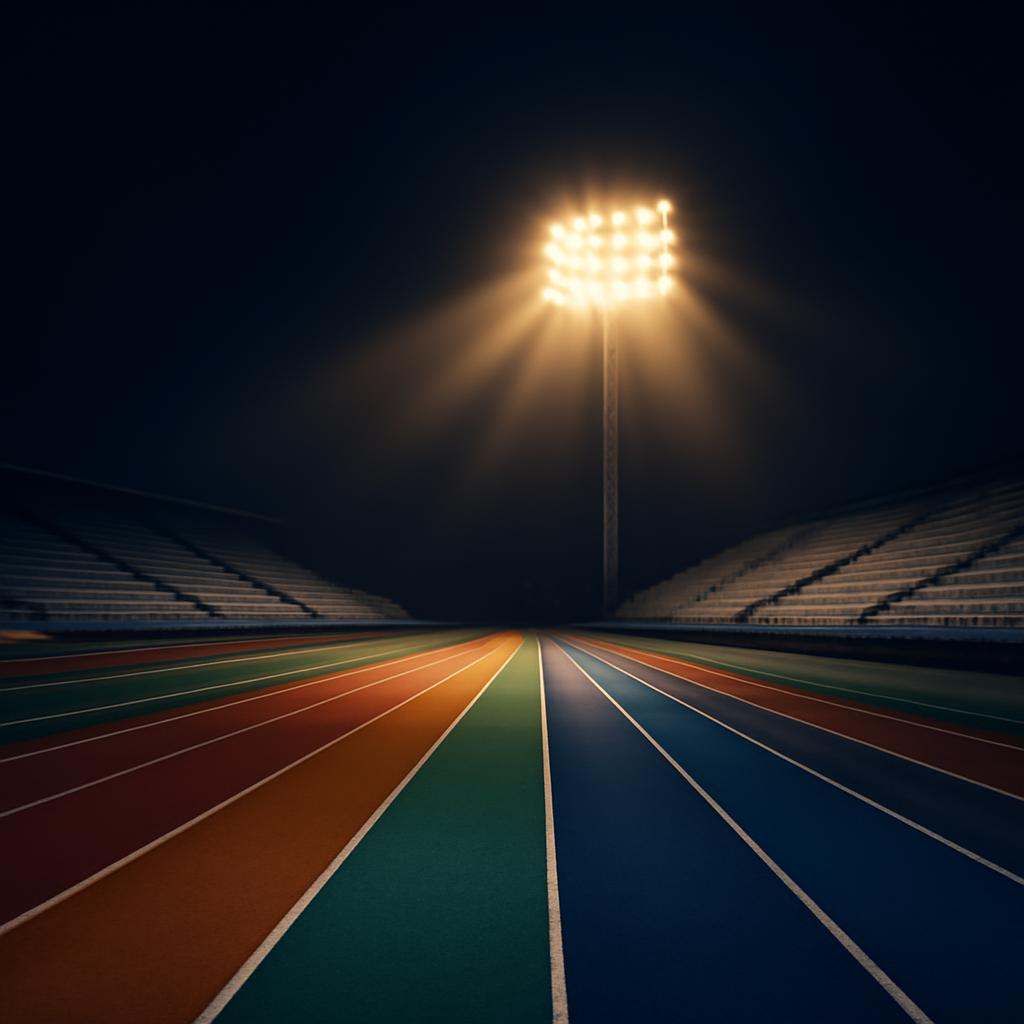
Leave the blocks from Pulse. Pick an unlocked oval and a kit. Strike crests, lock three handoffs, and bring the Anchor home. A finish, even with clips, opens the next bowl. A broken rhythm ends the run without a board entry.
Cadence explains the ribbon, the wind lie, and the gyro lock. Ovals lists surfaces. Kit shows cuts. Board keeps your splits. The Pulse lane is the stadium.